
Navratri 2026: What You Need to Know
Navratri is one of the most loved festivals in India. It is known for devotion, music, colourful clothes, traditional food, Garba, Dandiya, and community celebrations.
For many people, Navratri is also a time to meet friends, enjoy cultural events, visit temples, and spend evenings dancing to traditional and modern Garba music.
In Gujarat, Navratri has a special place in everyday culture. Garba grounds, community events, clubs, colleges, societies, and large public celebrations become part of the festive atmosphere.
If you are looking for Navratri 2026 dates, colours, Garba information, traditions, or tips for attending a Garba night, this guide covers the basics in one place.
When Is Navratri 2026?
Sharad Navratri 2026 begins on Sunday, October 11, 2026, and ends on Monday, October 19, 2026.
The tenth day, Vijayadashami or Dussehra, falls on Tuesday, October 20, 2026.
So, the main Navratri celebration will take place across nine days and nine nights, from October 11 to October 19.
Navratri 2026 at a Glance
| Day | Date | Day |
| Day 1 | October 11, 2026 | Sunday |
| Day 2 | October 12, 2026 | Monday |
| Day 3 | October 13, 2026 | Tuesday |
| Day 4 | October 14, 2026 | Wednesday |
| Day 5 | October 15, 2026 | Thursday |
| Day 6 | October 16, 2026 | Friday |
| Day 7 | October 17, 2026 | Saturday |
| Day 8 | October 18, 2026 | Sunday |
| Day 9 | October 19, 2026 | Monday |
| Dussehra | October 20, 2026 | Tuesday |
What Is Navratri?
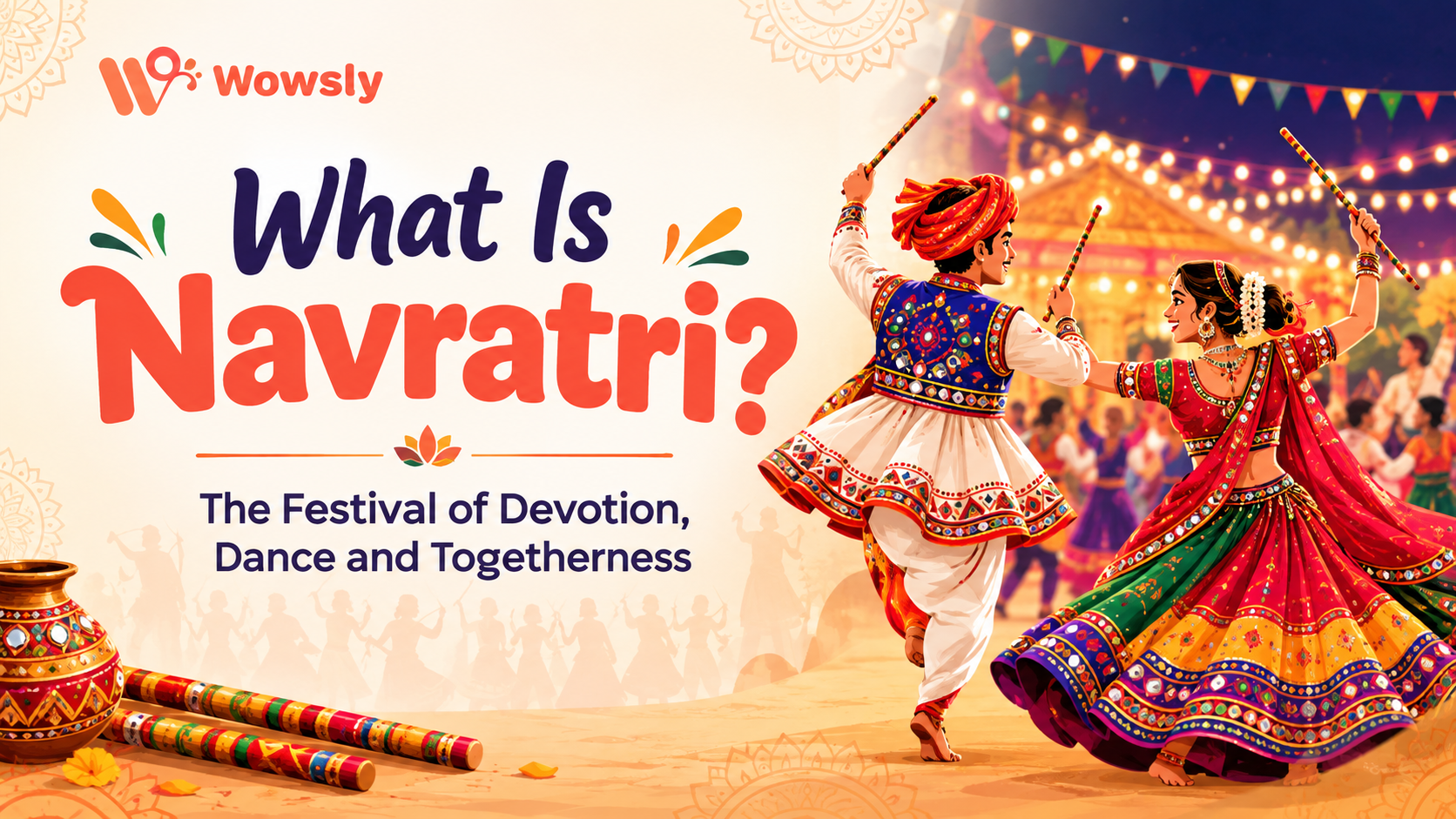
The word Navratri means “nine nights.”
It is a Hindu festival dedicated to different forms of Goddess Durga and Shakti, the divine feminine energy.
Different parts of India celebrate Navratri in different ways. Some regions focus more on prayers and fasting, while others are known for music, dance, cultural programs, and large public celebrations.
Gujarat is especially famous for its Garba and Dandiya celebrations.
The festival is not only a religious occasion. For many communities, it is also a time for people to come together and celebrate culture, music, dance, food, and tradition.
Why Is Navratri Celebrated for 9 Days?
Navratri is celebrated for nine nights because each day is traditionally associated with a different form of Goddess Durga, together known as Navdurga.
The nine forms are:
- Shailputri
- Brahmacharini
- Chandraghanta
- Kushmanda
- Skandamata
- Katyayani
- Kalaratri
- Mahagauri
- Siddhidatri
The celebrations conclude with Vijayadashami, which is also known as Dussehra.
The meaning and customs connected with each day can vary between regions and traditions.
What Are the Navratri Colours for 2026?
One of the most popular Navratri traditions is wearing a different colour on each day.
The Navratri colours for 2026 are:
| Day | Date | Navratri Colour |
| Day 1 | October 11 | Orange |
| Day 2 | October 12 | White |
| Day 3 | October 13 | Red |
| Day 4 | October 14 | Royal Blue |
| Day 5 | October 15 | Yellow |
| Day 6 | October 16 | Green |
| Day 7 | October 17 | Grey |
| Day 8 | October 18 | Purple |
| Day 9 | October 19 | Peacock Green |
The colour sequence is connected with the weekday on which Navratri begins. Wearing the day's colour has become especially popular during Garba and Dandiya celebrations.
For many people, it is more than a dress trend. It adds a shared feeling to the celebration because large groups may arrive wearing the same colour.
What Is Garba?
Garba is a traditional Gujarati dance associated with Navratri.
People usually dance in circles around a central point, often representing a lamp or another symbolic element.
The dance has a strong connection with Gujarati culture and has become one of the most recognisable parts of Navratri celebrations.
Modern Garba events may include traditional singers, live musicians, DJs, large dance areas, stage performances, food stalls, decorations, and cultural activities.
But at its heart, Garba remains a community dance where people come together and celebrate.
What Is Dandiya?
Dandiya is another popular dance associated with Navratri.
Unlike Garba, Dandiya is traditionally performed using small decorated sticks called dandiyas.
Participants move in coordinated patterns while tapping their sticks with a partner or other dancers.
Today, Dandiya is enjoyed at community gatherings, college events, cultural programs, clubs, and commercial festival events across India.
Garba vs Dandiya: What Is the Difference?
People often use the terms Garba and Dandiya together, but they are not exactly the same.
| Garba | Dandiya |
| Traditionally performed without sticks | Traditionally performed with sticks |
| Strongly associated with Gujarati Navratri | Also strongly associated with Navratri celebrations |
| Usually involves circular dance movements | Often involves partner or group formations |
| Focuses on rhythmic hand and body movements | Includes coordinated stick movements |
| Common at traditional and modern Garba nights | Common at Dandiya nights and mixed Navratri events |
Many modern events include both Garba and Dandiya, so visitors can enjoy different styles during the same evening.
How Is Navratri Celebrated in Gujarat?
Gujarat is widely known for its Navratri celebrations.
During the festival, evenings can become especially lively, with people dressing in traditional outfits and gathering for Garba.
Common parts of a Gujarati Navratri celebration include:
- Garba dancing
- Dandiya
- Traditional music
- Live performances
- Devotional activities
- Colourful traditional clothing
- Community gatherings
- Food and refreshments
- Cultural programs
- Decorative festival spaces
From small society celebrations to large public Garba nights, the scale can be very different, but the central idea remains the same: people coming together through music, dance, and tradition.
What Do People Wear for Garba?
Traditional clothing is a major part of the Garba experience.
Women commonly wear outfits such as:
- Chaniya choli
- Traditional Gujarati-style skirts
- Colourful dupattas
- Traditional jewellery
- Bangles and accessories
Men may wear:
- Kediyu
- Kurta
- Traditional jackets
- Dhoti-style outfits
- Gujarati-inspired festive clothing
You do not always need traditional clothing to attend Garba. Comfortable festive clothing can work too.
The most important thing is to choose something that allows you to move comfortably because Garba can involve continuous dancing for a long time.
What Should You Wear for Navratri 2026?
If you want to follow the popular colour tradition, choose your outfit according to the colour of the day.
For example:
- Orange: Day 1
- White: Day 2
- Red: Day 3
- Royal Blue: Day 4
- Yellow: Day 5
- Green: Day 6
- Grey: Day 7
- Purple: Day 8
- Peacock Green: Day 9
You can follow the colour through your full outfit or simply add it through a dupatta, scarf, jewellery, footwear, jacket, or other accessory.
What Happens at a Garba Night?
If you have never attended a Garba event before, you may wonder what the evening is actually like.
A typical Garba night may include:
- Guests arriving at the venue
- Traditional or devotional music
- Opening performances
- Garba dancing
- Dandiya sessions
- Live singers or musicians
- Food and refreshment areas
- Cultural performances
- Special activities or competitions
Some events are simple community celebrations, while others are large entertainment experiences with professional stages and performers.
The atmosphere can also change throughout the evening. It may begin slowly and become more energetic as more people join the dance floor.
Going to Garba for the First Time? Keep These Tips in Mind
Your first Garba night can feel confusing if you do not know what to expect.
Here are a few simple tips.
1. Wear Comfortable Clothes
Garba involves movement, so choose clothes that look festive but are also comfortable.
2. Choose Comfortable Footwear
You may be dancing or standing for several hours. Comfortable footwear can make a big difference.
3. Learn a Few Basic Steps
You do not need to be an expert.
Watch the people around you and follow the rhythm. Most Garba movements are repetitive, so beginners can usually learn by joining the circle.
4. Stay Hydrated
Dancing for a long time can be tiring, especially at crowded outdoor events.
Take breaks and drink enough water.
5. Respect the Dance Space
Garba is a group activity. Give other dancers enough space and follow the movement of the circle.
6. Carry Only What You Need
A smaller bag can make dancing easier, especially in a crowded venue.
7. Arrive With Enough Time
If you are attending a popular event, arriving early can make the overall experience more comfortable.
Popular Things to Do During Navratri
Navratri is not only about dancing.
Depending on where you live, you can also enjoy:
- Visiting a Navratri puja
- Watching traditional performances
- Trying festive food
- Shopping for traditional clothes
- Buying Garba accessories
- Joining a community celebration
- Attending a cultural program
- Learning Garba
- Enjoying live music
- Spending time with friends and family
This makes Navratri enjoyable even for people who are not regular dancers.
Navratri for Families, Friends and Young People
One reason Navratri continues to be popular is that different age groups can enjoy it in different ways.
Families may attend community celebrations together.
Friends may plan a Garba night around music, food, and dance.
Young people may look for college events, city Garba nights, or larger entertainment programs.
Older generations may prefer traditional Garba and devotional celebrations.
This mix of tradition and modern entertainment has helped Navratri remain relevant across generations.
How to Choose a Navratri or Garba Event
If you are planning to attend an event, do not choose one only because it looks popular online.
Think about what kind of experience you want.
Consider:
- Location
- Event timing
- Type of Garba
- Music style
- Crowd size
- Family-friendly atmosphere
- Food availability
- Parking and transport
- Dress expectations
- Event rules
- Ticket or entry requirements
Different events offer different experiences. A small community Garba can feel very different from a large commercial Garba night.
Choose the one that matches your interests and comfort level.
Navratri and Modern Celebrations
Navratri has changed with time, but many of its traditional elements remain strong.
Today, celebrations can combine:
Tradition + Music + Dance + Fashion + Community + Entertainment
People may enjoy traditional Garba while also attending professionally organised events with modern lighting, sound systems, performances, food zones, and other attractions.
This does not necessarily replace the traditional side of Navratri. Instead, it gives people more ways to participate.
Why Is Garba So Popular Beyond Gujarat?
Garba has travelled far beyond Gujarat.
Today, Navratri and Garba events are organised in many Indian cities and in communities around the world.
People who grew up with Gujarati traditions may attend Garba to stay connected with their culture, while others join because they enjoy the music, dance, fashion, and social atmosphere.
That combination has helped Garba become one of the most recognisable cultural celebrations connected with Navratri.
Navratri 2026: Quick Facts
When does Navratri 2026 start?Navratri 2026 starts on October 11, 2026.
When does Navratri 2026 end?The nine-day Navratri period ends on October 19, 2026.
When is Dussehra 2026?Vijayadashami/Dussehra is on October 20, 2026.
How many days is Navratri?The main festival is celebrated over nine nights and nine days.
What are the Navratri colours for 2026?Orange, White, Red, Royal Blue, Yellow, Green, Grey, Purple, and Peacock Green.
What is Garba?Garba is a traditional Gujarati dance strongly associated with Navratri.
What is Dandiya?Dandiya is a traditional dance performed with small decorated sticks.
Do I need traditional clothes for Garba?No. Traditional clothing is popular, but comfortable festive clothing is also fine.
Can beginners join Garba?Yes. You do not need professional dance experience. Beginners can learn by following the rhythm and movements of the group.
Navratri is much more than nine nights of dance.
It brings together faith, culture, music, fashion, food, family, friends, and community.
For some people, Navratri means visiting a temple or following traditional rituals. For others, it means dressing up and joining Garba. Many people enjoy both sides of the festival.
In 2026, Sharad Navratri will begin on October 11 and continue through October 19, with Dussehra following on October 20.
Whether you are attending your first Garba night, planning family celebrations, exploring Gujarati culture, or simply looking forward to the festive season, Navratri offers many ways to participate.
The best part is simple: come together, enjoy the music, respect the tradition, and celebrate.
Happy Navratri 2026!
Author
Suresh SenavaDigital marketer - wowsly